
Common Misconceptions About Credit Trade Lines Debunked


Understanding Credit Trade Lines
Credit trade lines are a crucial component of your credit report, and understanding them can significantly impact your financial health. Despite their importance, there are several misconceptions surrounding them that can lead to confusion. In this post, we'll debunk some of these common myths and help you gain a clearer understanding of how credit trade lines work.
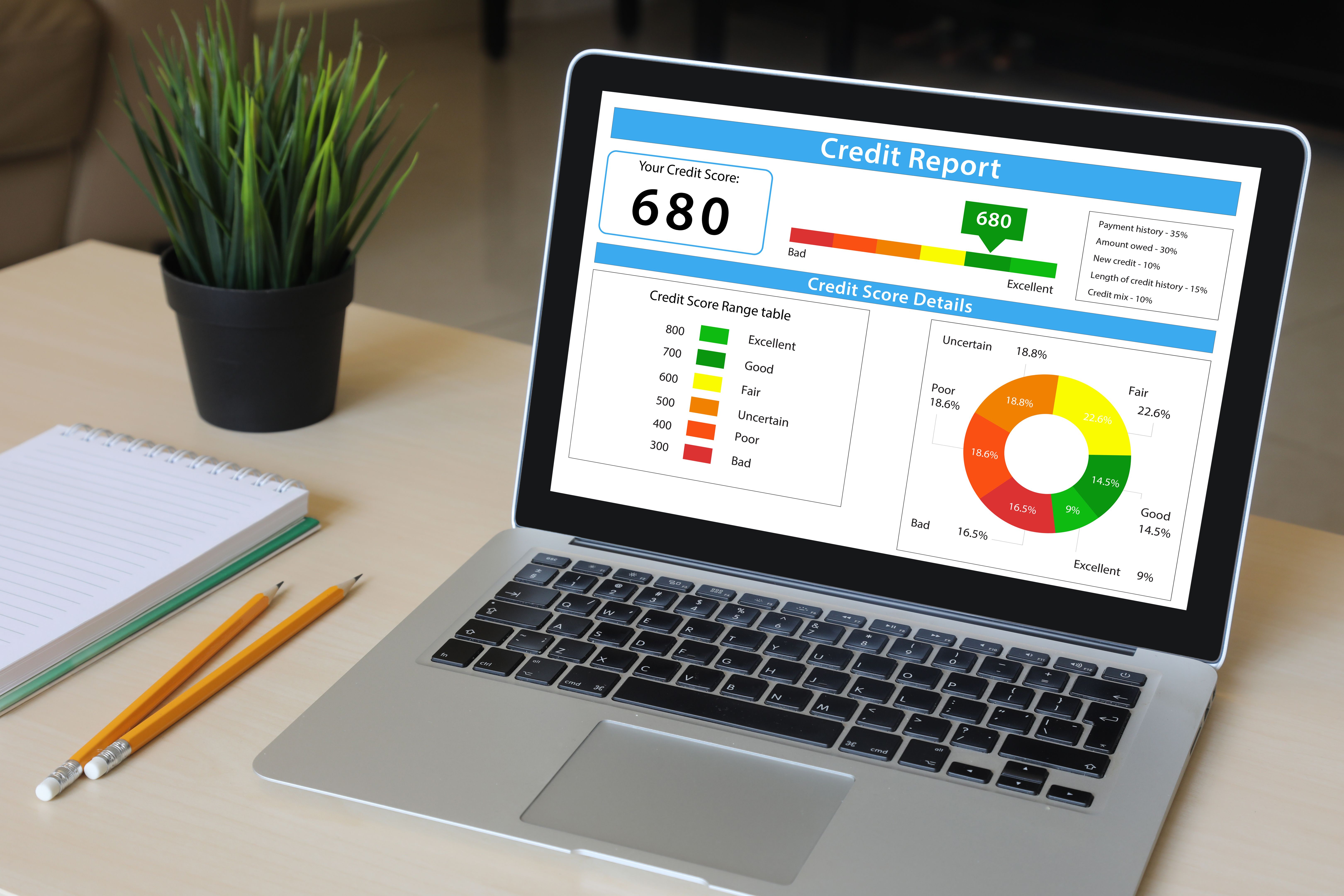
Myth 1: All Trade Lines Are Created Equal
One common misconception is that all trade lines are the same. In reality, trade lines can vary greatly in terms of their impact on your credit score and report. For instance, a mortgage trade line will usually have a different impact than a credit card trade line due to the nature of the debt involved. It's essential to understand the types of trade lines you have and how each one affects your overall credit profile.
Myth 2: Closing a Trade Line Erases Its History
Another widespread myth is that closing a trade line will remove its history from your credit report. This is not true. While the account will eventually fall off your report, it typically stays on for up to ten years, depending on whether it was in good standing at the time of closure. This means that positive account history can continue to benefit your credit score long after the account is closed.

Myth 3: You Need Perfect Trade Lines for a Good Credit Score
Many people believe that only perfect trade lines will contribute to a good credit score. However, this isn't the case. Lenders look at your overall credit behavior, which includes payment history, credit utilization, and account diversity. While having positive trade lines certainly helps, it's also important to manage debt responsibly and maintain a balanced credit profile.
The Impact of Authorized User Trade Lines
Some individuals think that being an authorized user on someone else's account has no effect on their own credit. This is a misconception. When you're an authorized user, the account's history can appear on your credit report and potentially influence your score. This can be beneficial if the primary account holder has a positive payment history but could be detrimental if they miss payments or have high credit utilization.

Myth 4: Adding More Trade Lines Always Improves Your Score
There's a belief that simply adding more trade lines will automatically boost your credit score, but that's not necessarily true. While having a diverse range of accounts can help, adding too many trade lines too quickly can actually harm your score. Each new application results in a hard inquiry, which can temporarily lower your score. It's important to strategically manage the number of trade lines you open.
Myth 5: Trade Lines Are Only Important When Applying for Credit
Finally, some people think that trade lines only matter when they're actively applying for new credit. In reality, trade lines are constantly monitored by lenders and other entities to assess your creditworthiness. They play a role in determining everything from insurance rates to rental agreements, making it crucial to maintain strong trade lines at all times.