
DIY Tips for Improving Your Credit Score with Trade Lines


Understanding Your Credit Score
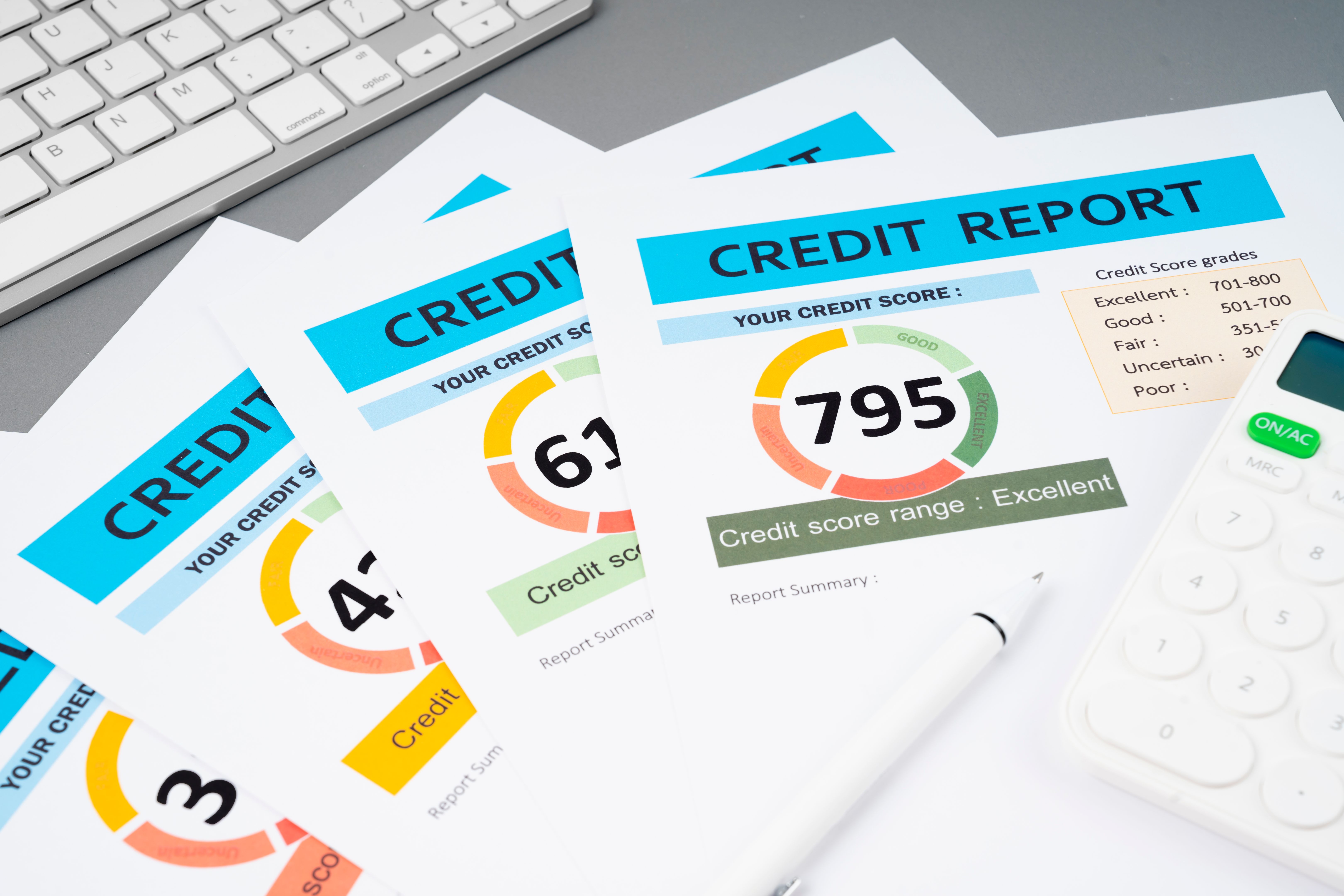
Your credit score is a crucial aspect of your financial health, influencing everything from loan approvals to interest rates. Understanding how it works is the first step toward improvement. Credit scores typically range from 300 to 850, with higher scores indicating better creditworthiness. Several factors contribute to your score, including payment history, credit utilization, and length of credit history.
Why Trade Lines Matter
Trade lines are the individual credit accounts listed on your credit report. These can include credit cards, mortgages, and car loans. Each trade line provides lenders with a snapshot of your borrowing behavior. By strategically adding or managing trade lines, you can significantly impact your credit score.
Having a variety of trade lines can show potential lenders that you can handle different types of credit responsibly. This diversity is beneficial as it comprises a portion of your overall credit score calculation.
DIY Strategies for Improving Your Credit Score
Improving your credit score doesn't always require professional help. There are several do-it-yourself strategies that can make a significant difference over time.
Pay on Time, Every Time
Your payment history accounts for a significant part of your credit score. Late payments can have a substantial negative impact. Set reminders or automate payments to ensure you never miss a due date. Consistent, on-time payments will slowly but surely boost your score.

Manage Your Credit Utilization
Credit utilization refers to the percentage of your total available credit that you're currently using. It's advisable to keep this below 30%. For example, if you have a total credit limit of $10,000, aim to keep your balance under $3,000. If your utilization is high, consider paying down balances or requesting a higher credit limit from your creditors.
Add Authorized User Accounts
If possible, become an authorized user on someone else's account with a good payment history. This can add positive payment history to your report without requiring you to open new accounts yourself. Make sure the primary account holder maintains good credit habits to avoid any negative impact.
Building New Trade Lines
If your credit history is lacking, consider opening new trade lines responsibly. Secured credit cards or credit-builder loans are excellent options for those with limited or poor credit history. These tools allow you to demonstrate responsible credit use over time.

Review Your Credit Report Regularly
Regularly reviewing your credit report allows you to spot and dispute any errors that might be dragging down your score. You're entitled to a free report annually from each of the major credit bureaus. Look for inaccuracies in personal information, account statuses, and any unfamiliar accounts.
By taking these DIY steps and focusing on trade lines, you can actively improve your credit score over time. Remember, patience and consistency are key in navigating the road to better credit health.