Expert Advice: Common Misconceptions About Credit Trade Lines


Understanding Credit Trade Lines
Credit trade lines are components of your credit report that provide detailed information about your credit accounts. These lines include credit cards, mortgages, student loans, and other types of credit. While they are essential for determining your creditworthiness, there are several misconceptions about them that can lead to misunderstandings and financial missteps. In this post, we aim to clarify these misconceptions with expert advice.
Misconception 1: Adding Trade Lines Instantly Improves Credit Score
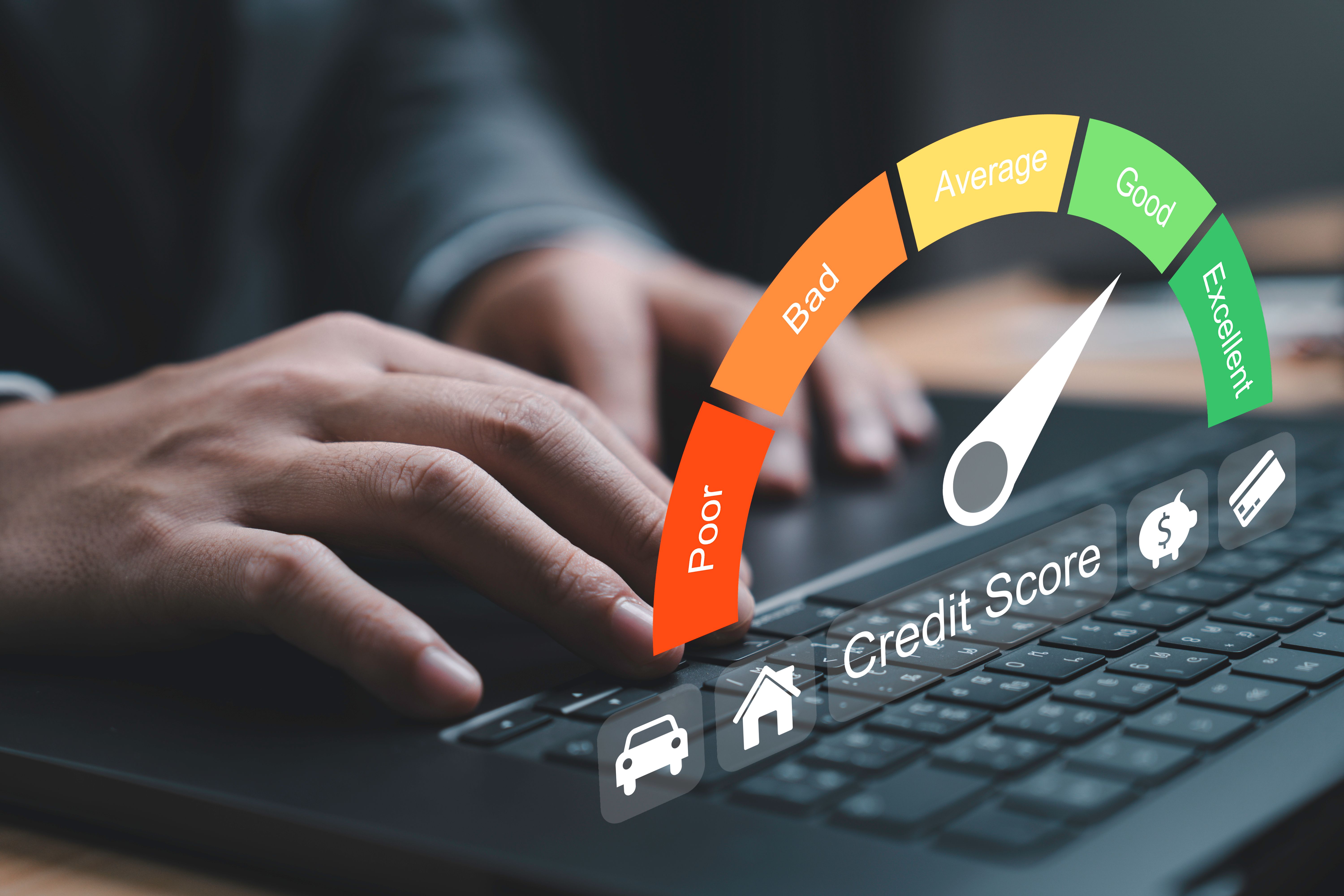
One common misconception is that merely adding trade lines will immediately boost your credit score. This is not necessarily true. While having multiple trade lines can potentially improve your score by showing a history of responsible credit use, the impact depends on how these accounts are managed. Late payments or high credit utilization can negatively affect your score, regardless of the number of trade lines.
Misconception 2: All Trade Lines Are Weighted Equally
Another widespread belief is that all trade lines have the same impact on your credit score. This is incorrect. The type of account, its age, and your payment history all play significant roles. For instance, a long-standing mortgage with a good payment history might carry more weight than a newly opened credit card. Understanding the different factors that affect your credit score helps in managing your finances better.

Misconception 3: Closing Trade Lines Is Always Beneficial
Many people think closing unused or old trade lines will improve their credit score. However, closing an account can sometimes lower your score because it reduces the amount of available credit and can affect the average age of your accounts. It’s often wiser to keep these accounts open and active with occasional use to maintain a healthy credit profile.
Misconception 4: Trade Lines Are Only Important for Credit Scores
While trade lines are crucial for determining credit scores, they also serve other purposes. They help lenders assess your creditworthiness when applying for loans or mortgages. Additionally, landlords and employers may review your credit report to gauge financial responsibility. Hence, managing trade lines effectively is vital beyond just maintaining a good credit score.

Expert Tips for Managing Trade Lines
To optimize your trade lines, ensure timely payments across all accounts. Keeping balances low relative to credit limits is also beneficial for maintaining a healthy score. Regularly reviewing your credit report helps identify any inaccuracies or fraudulent activities that could impact your score negatively.
Finally, consider seeking professional advice if you’re unsure about managing your trade lines. Financial advisors can provide personalized strategies tailored to your unique financial situation, helping you make informed decisions that support long-term financial health.