
Industry Trends: The Future of Credit Tradelines and Consumer Credit


The Evolving Landscape of Credit Tradelines
The credit industry is undergoing significant transformations, especially in the realm of credit tradelines. As consumers become more financially savvy and technology continues to advance, the way credit is managed and reported is evolving. Understanding these changes is crucial for both consumers and industry professionals.
Traditionally, credit tradelines have been a fundamental component of credit reports, representing the various accounts a consumer holds. These could include credit cards, mortgages, and other types of loans. As we look to the future, the definition of what constitutes a tradeline is broadening, influenced by new financial products and changing consumer behaviors.
Technological Advancements in Credit Reporting
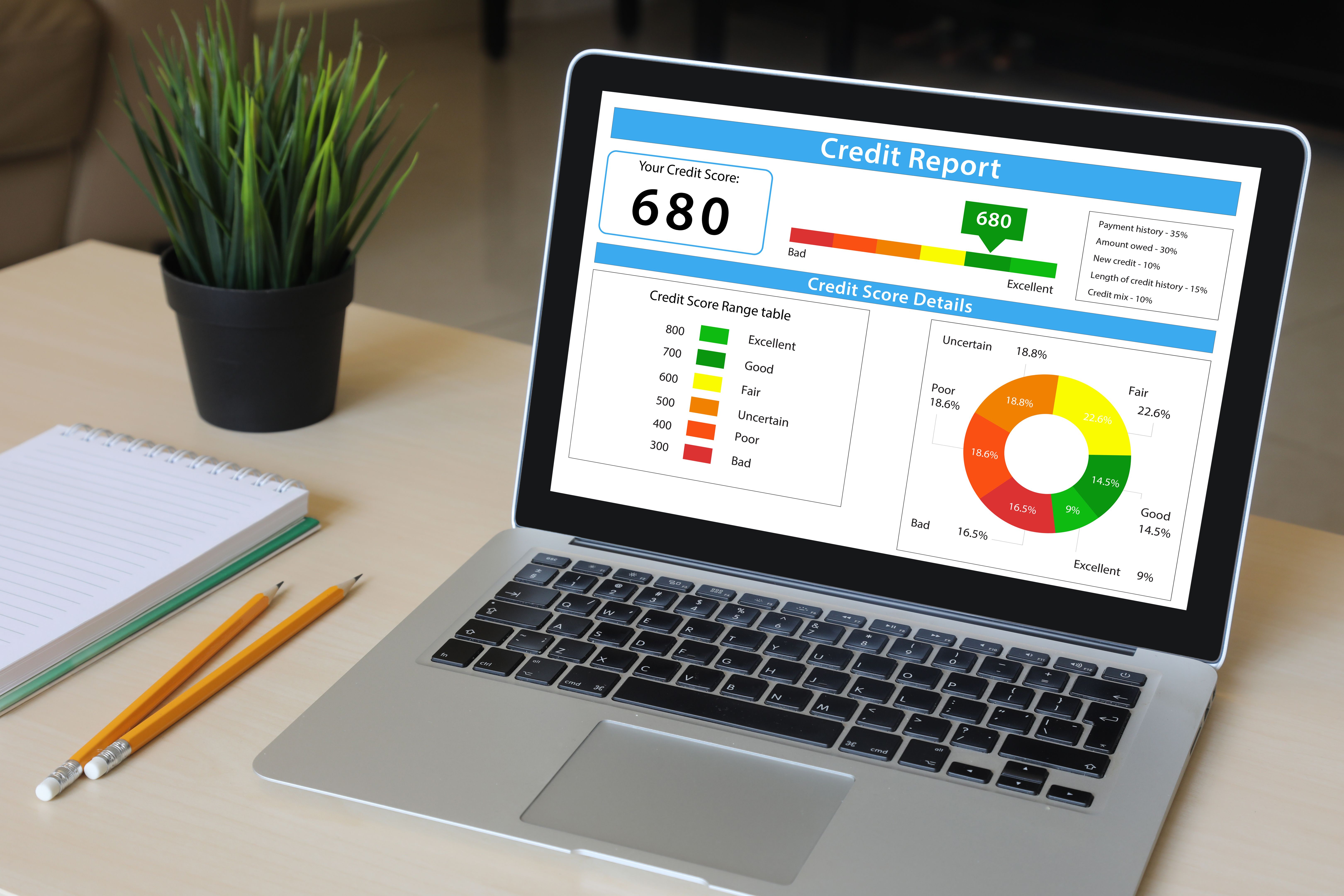
The integration of technology into credit reporting is reshaping how information is collected and analyzed. Artificial intelligence and machine learning are playing pivotal roles in this transformation. These technologies allow for more accurate risk assessments and personalized credit scoring models, which can better reflect an individual's creditworthiness.
Moreover, the use of alternative data sources, such as utility payments and rental histories, is becoming more prevalent. This shift enables a more comprehensive view of a consumer's financial behavior, particularly for those who may not have extensive credit histories.

Empowering Consumers with More Control
Consumers today are seeking more control over their financial profiles. With innovations such as open banking, individuals can now access their financial data more easily, facilitating better-informed financial decisions. This trend is likely to continue as more people demand transparency and control over their credit information.
Additionally, new platforms are emerging that allow consumers to add positive payment histories to their credit reports manually. This development empowers consumers to actively participate in shaping their credit profiles, potentially leading to improved credit scores.

The Rise of Credit Education
As the credit industry evolves, there is a growing emphasis on financial literacy and education. Both consumers and businesses recognize the importance of understanding credit systems and how they impact financial health. Educational initiatives are being implemented by financial institutions and non-profits alike to equip individuals with the knowledge they need to navigate the credit landscape effectively.
These programs often cover essential topics such as understanding credit scores, managing debt, and building a strong credit history. As awareness increases, consumers are likely to make more informed decisions, contributing to healthier financial ecosystems.
Challenges and Opportunities Ahead
Despite these advancements, the credit industry faces several challenges. Data privacy concerns, regulatory changes, and potential biases in AI-driven models are areas that require careful consideration. However, these challenges also present opportunities for innovation and improvement.
Industry stakeholders must collaborate to address these issues while continuing to focus on consumer needs. By doing so, they can pave the way for a more inclusive and efficient credit system that benefits all parties involved.

In conclusion, the future of credit tradelines and consumer credit is bright with possibilities. As technology and consumer expectations continue to evolve, the industry must adapt to meet these changes. By embracing innovation and focusing on education and empowerment, the credit landscape can become more accessible and beneficial for everyone.