The Impact of Credit Trade Lines on Your Long-Term Financial Health


Understanding Credit Trade Lines
Credit trade lines are an essential component of your credit report. They refer to the accounts listed in your credit file, showing the creditor's name and other critical details about the account. Each trade line provides information such as the type of credit, the date it was opened, the credit limit, and your payment history. Understanding these elements is crucial for managing your long-term financial health effectively.
How Credit Trade Lines Affect Your Credit Score
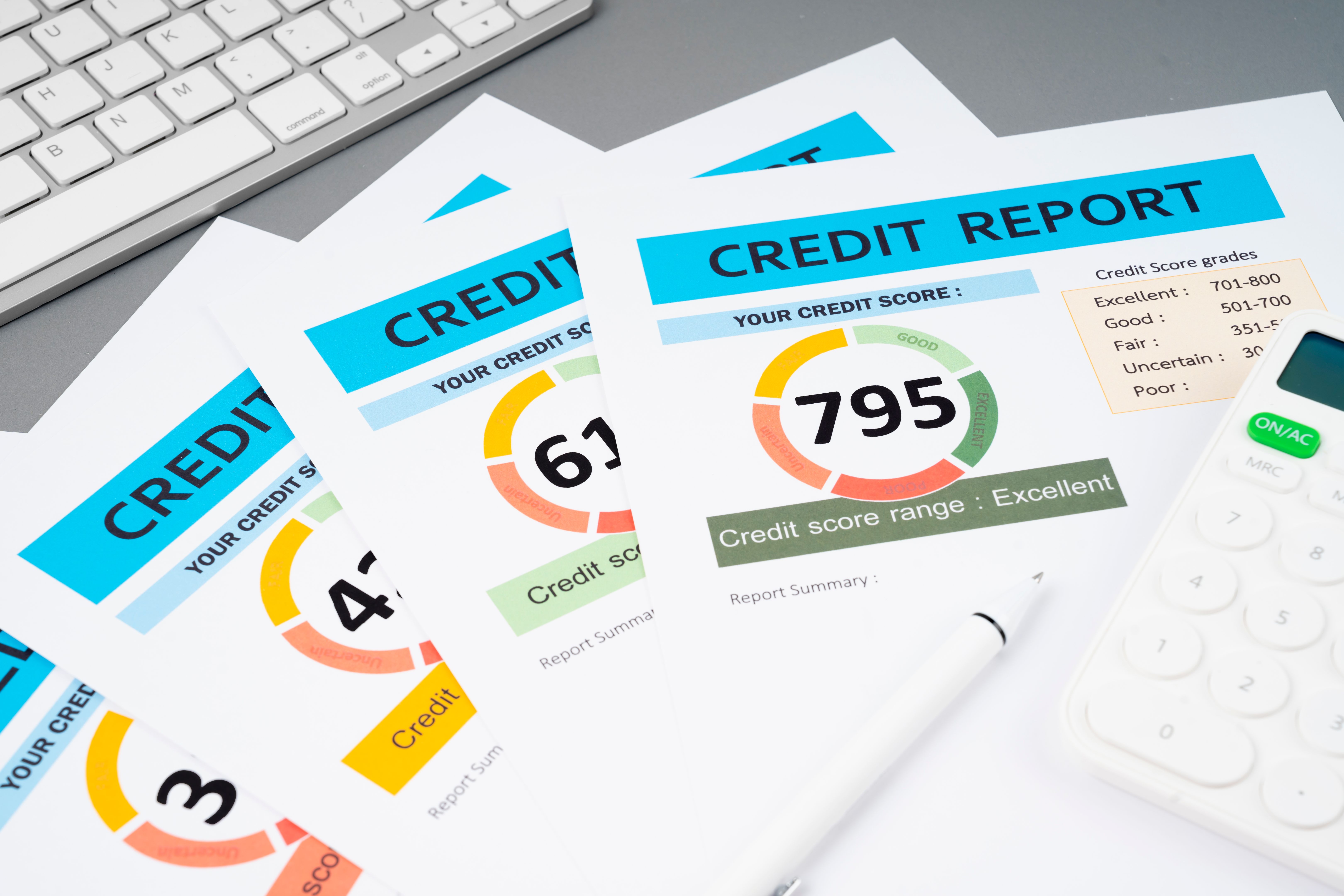
Your credit score is significantly influenced by the information contained in your credit trade lines. Factors like the age of your accounts, the amount of debt you owe, and your payment history can impact your score either positively or negatively. Maintaining a good mix of credit types and keeping your balances low are strategies that can help improve your score over time.
Having a variety of credit types on your report, such as credit cards, mortgages, and auto loans, can demonstrate to lenders that you are capable of managing different financial obligations. This diversity can be beneficial in boosting your credit score.
The Role of Payment History
Payment history is one of the most crucial aspects of credit trade lines. Lenders use this information to assess whether you are a reliable borrower. Consistently making on-time payments can enhance your creditworthiness and lead to better interest rates on loans and credit cards. Conversely, late payments can severely damage your credit score.

It's essential to monitor your trade lines regularly to ensure all payments are accurately reported. Discrepancies in your report should be addressed promptly to prevent any negative impact on your financial health.
Managing Credit Utilization
Your credit utilization ratio, which is the amount of credit you're using compared to your total available credit, plays a significant role in your overall financial health. Keeping this ratio below 30% is generally recommended to maintain a healthy credit score. High utilization rates can signal to lenders that you may be over-reliant on credit and pose a higher risk.
Regularly reviewing your credit card balances and setting reminders for payment due dates can help you manage your utilization effectively. Additionally, requesting a credit limit increase may lower your utilization ratio without the need to reduce spending drastically.
Long-Term Benefits of Healthy Trade Lines
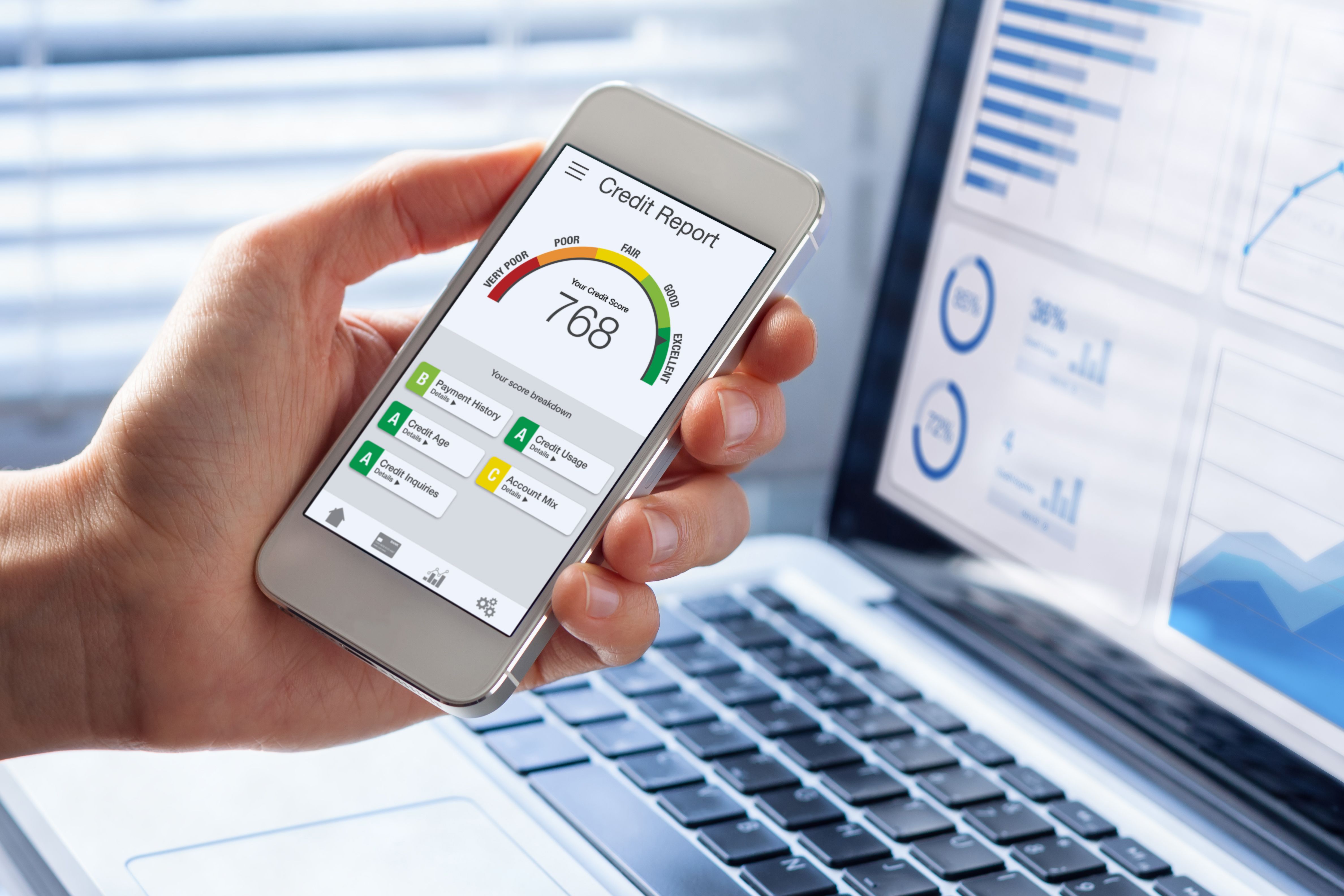
Maintaining healthy credit trade lines offers numerous long-term benefits. A strong credit profile can help you secure loans at favorable interest rates, qualify for premium credit cards with rewards, and even impact non-financial aspects like renting an apartment or getting insurance. Building good financial habits today can pave the way for a stable financial future.
Moreover, a positive credit history can provide peace of mind, knowing that you have access to financial resources when needed. It's an invaluable asset that requires consistent effort and vigilance to maintain.
Conclusion
In conclusion, understanding and managing your credit trade lines is vital for safeguarding your long-term financial health. By maintaining diverse types of credit, ensuring timely payments, and keeping your credit utilization low, you can enhance your creditworthiness and enjoy the numerous benefits that come with a strong credit profile.
Regularly reviewing and understanding your trade lines is not just about improving your score; it's about laying the foundation for a financially secure and flexible future. Make it a priority to educate yourself on these aspects and take proactive steps towards achieving excellent financial health.