The Ultimate Guide to Understanding Credit Trade Lines


What Are Credit Trade Lines?
Credit trade lines are records of credit accounts on your credit report. Each trade line includes detailed information about a specific credit account, such as credit cards, mortgages, or auto loans. Understanding these trade lines is crucial as they play a significant role in determining your credit score and overall financial health.
Each trade line provides information such as the name of the lender, the type of account, the date the account was opened, the credit limit or loan amount, the account balance, and your payment history. These factors are critical in assessing your creditworthiness.
Importance of Credit Trade Lines
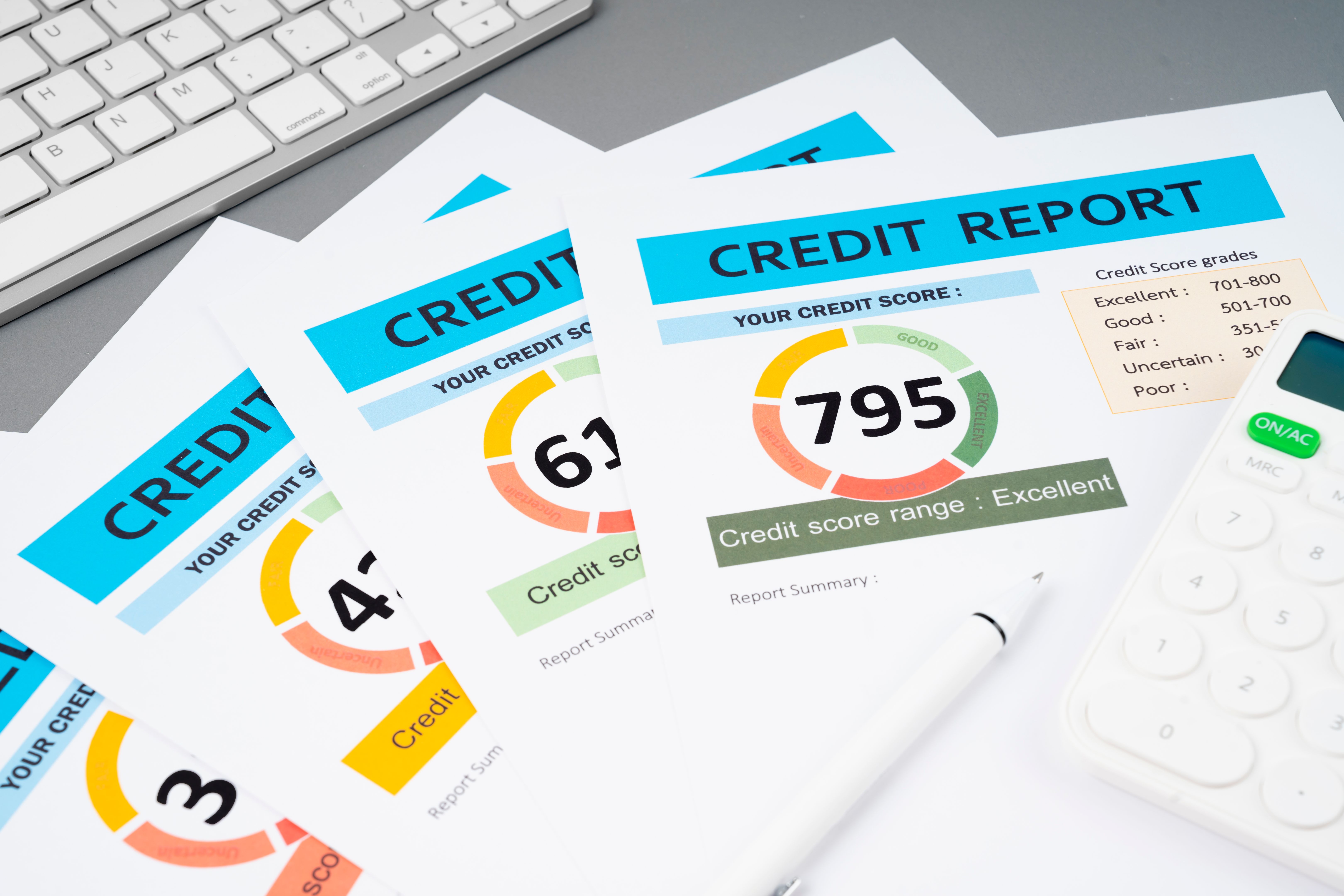
Credit trade lines are essential for both lenders and borrowers. For lenders, they offer a comprehensive view of a borrower's credit behavior, helping them make informed lending decisions. For borrowers, maintaining healthy trade lines can lead to better loan terms and interest rates.
Having multiple trade lines with positive payment histories can significantly boost your credit score. Conversely, negative information on trade lines, like late payments or high balances, can negatively impact your score.
Types of Trade Lines
There are several types of trade lines that can appear on a credit report:
- Revolving Accounts: These include credit cards and lines of credit where balances fluctuate.
- Installment Loans: These are loans with fixed payments over a set period, such as car loans or mortgages.
- Open Accounts: Accounts that must be paid in full each month, like some utility bills.
How Trade Lines Affect Your Credit Score
Your credit score is calculated based on several factors directly related to the information contained in your trade lines. These factors include:
- Payment History: Timely payments boost your score, while late payments can significantly lower it.
- Credit Utilization: The ratio of your current balance to your credit limit. Lower utilization rates are better for your score.
- Length of Credit History: Longer credit histories generally improve your score.
A diverse mix of accounts is also beneficial. Having a mix of revolving and installment accounts, for instance, can positively influence your score.
Improving Your Trade Line Information
To enhance your credit profile, it's essential to manage your trade lines effectively. Here are some tips:
- Make payments on time: Consistent on-time payments are one of the best ways to improve your credit score.
- Keep credit card balances low: Aim to use less than 30% of your available credit.
- Avoid opening too many new accounts at once: Each application can slightly lower your score.

Conclusion
Understanding and managing your credit trade lines is an essential aspect of maintaining good financial health. By being aware of how these trade lines affect your credit score and taking active steps to improve them, you can ensure better financial opportunities in the future. Regularly reviewing your credit report and staying informed will empower you to make smart financial decisions. Remember, a healthy credit profile opens doors to more favorable loan terms and interest rates.