Understanding Credit Trade Lines: A Comprehensive Guide for Beginners


What Are Credit Trade Lines?
Credit trade lines, often referred to simply as trade lines, are records of activity for any type of credit extended to a borrower and reported to a credit reporting agency. Each line contains detailed information about the account, including the date it was opened, the credit limit or loan amount, the account balance, and the payment history. Understanding trade lines is crucial for anyone looking to build or maintain a healthy credit score.
Trade lines are valuable because they provide a comprehensive view of a person’s credit behavior. They offer insight into how responsible a borrower is with their credit, which affects their credit score. Lenders, landlords, and even employers may review trade lines to determine creditworthiness and reliability.
Types of Credit Trade Lines
There are several types of credit trade lines that consumers may encounter. These include:
- Revolving Credit: This includes credit cards and lines of credit, where the borrower can borrow up to a certain limit and pay it back over time.
- Installment Loans: These are loans where the borrower agrees to pay back a set amount over a predetermined period, such as auto loans, mortgages, and personal loans.
- Open Accounts: These are less common and include accounts that must be paid in full each month, like charge cards.
Each type of trade line has unique features that can impact a credit score differently. Understanding these differences can help individuals manage their credit more effectively.
How Trade Lines Impact Credit Scores
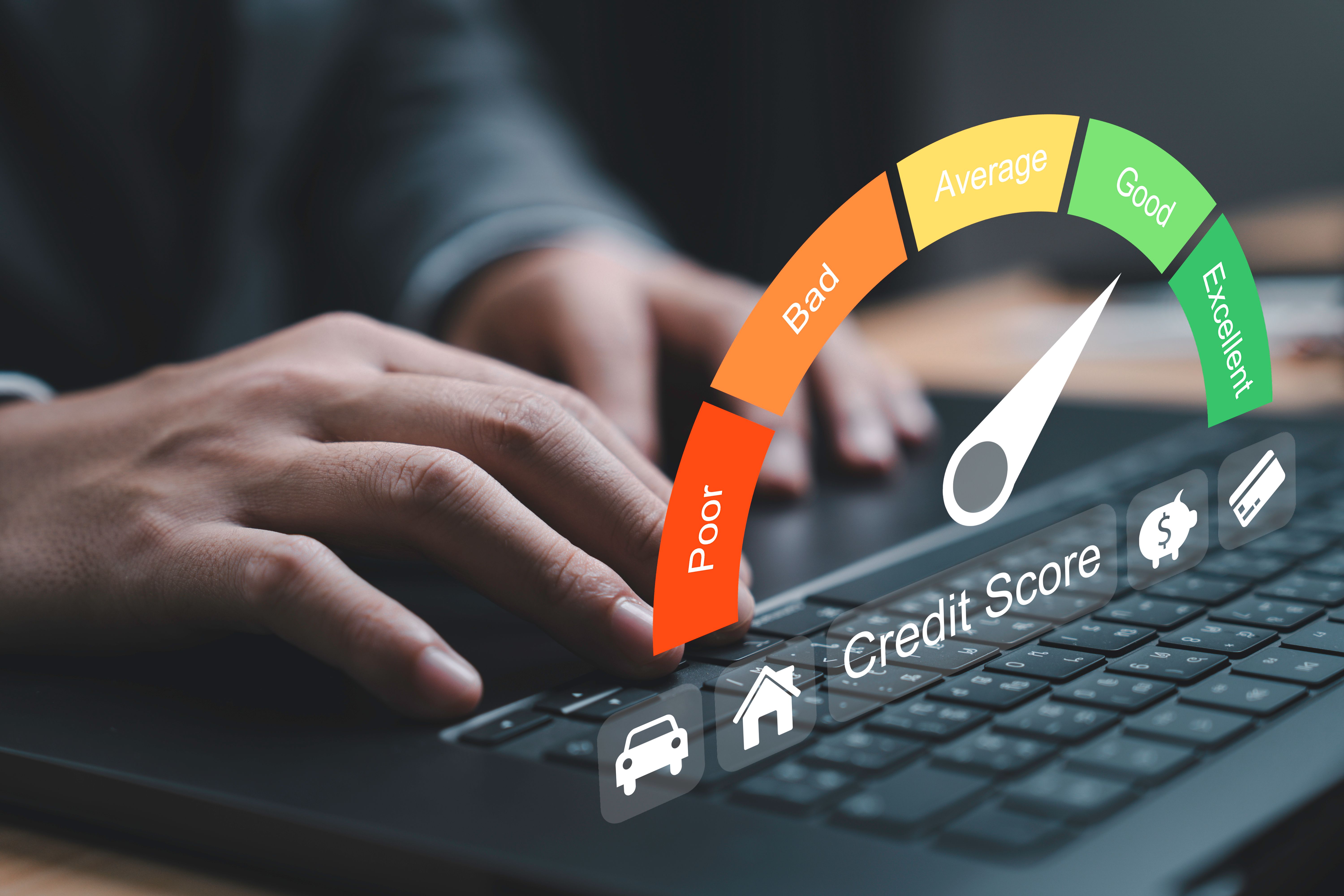
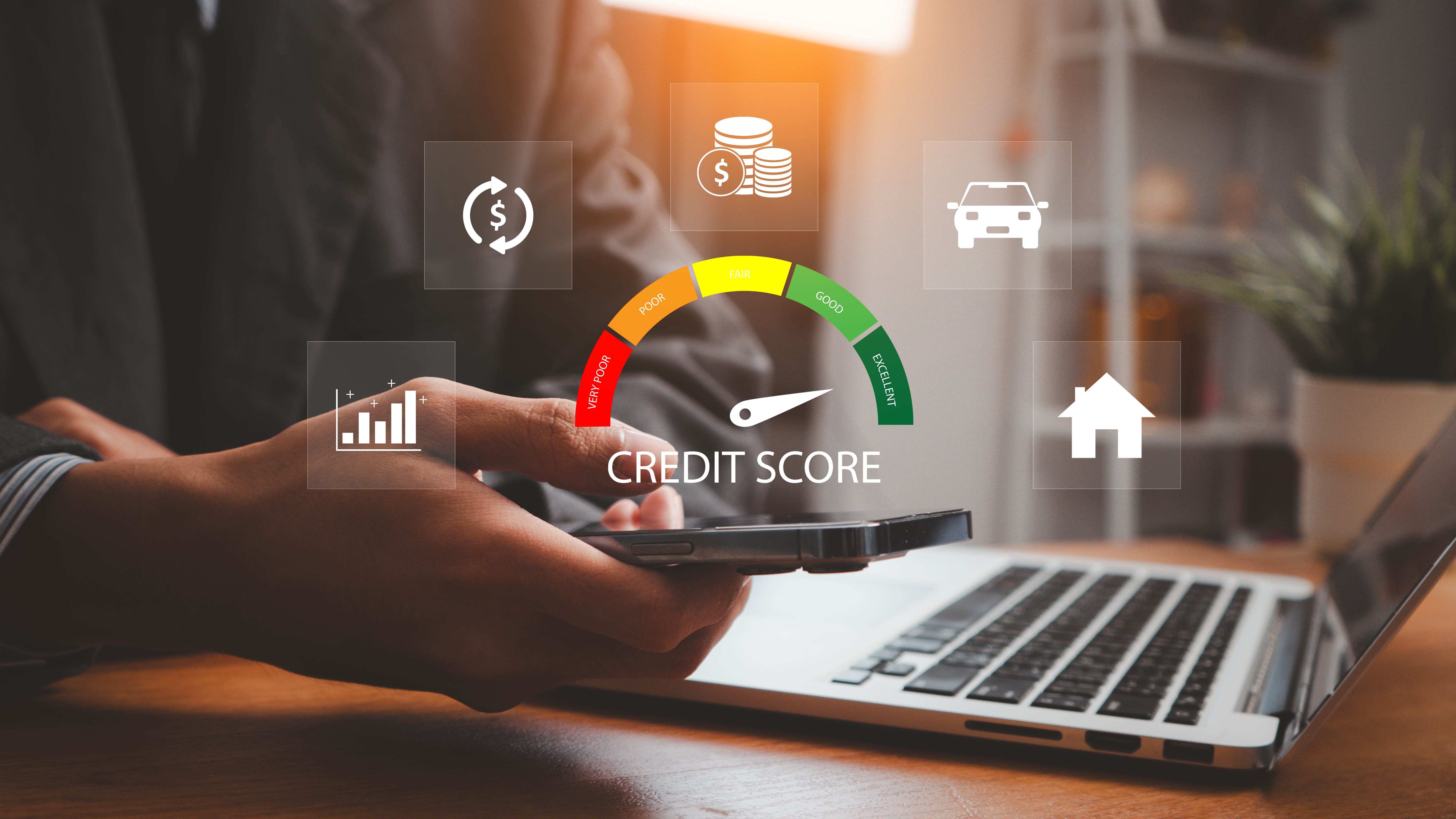
Trade lines are a critical component of credit scores. Credit scoring models, like FICO and VantageScore, analyze information from trade lines to calculate a score. They consider factors such as payment history, the amount owed, the length of credit history, and the types of credit used.
Maintaining a positive payment history and keeping balances low on revolving accounts are key strategies to boost your credit score. Missing payments or carrying high balances can negatively impact your score, making it harder to secure loans or favorable interest rates.
The Importance of Keeping Trade Lines Active
Keeping trade lines open and active is important for maintaining a healthy credit profile. Closing accounts can reduce your available credit, potentially increasing your credit utilization ratio, which can lower your score.
However, it’s also important to manage the number of trade lines you have. Too many open accounts can be seen as a risk by lenders, especially if they are unused or have high balances. A balanced approach is usually best.
Monitoring Your Trade Lines
Regularly monitoring your trade lines is an important step in managing your credit health. Reviewing your credit report can help you identify any errors or fraudulent activity that could negatively affect your credit score. You are entitled to one free credit report annually from each of the three major credit bureaus: Equifax, Experian, and TransUnion.
By understanding and managing your trade lines, you can take control of your credit profile, making informed decisions that benefit your financial future. Whether you’re building credit from scratch or maintaining an established score, trade lines are a fundamental aspect of your credit report that shouldn’t be overlooked.