Understanding the Role of Trade Lines in Building Credit


What Are Trade Lines?
Trade lines refer to the accounts listed on a credit report. They represent the credit relationships between a borrower and a lender. Each trade line contains important information, including the type of credit, the date it was opened, the credit limit or loan amount, the account balance, and the payment history.
Understanding trade lines is crucial for anyone looking to build or maintain good credit. They serve as a detailed record of how responsibly you manage your credit, which can influence your credit score significantly.
The Importance of Trade Lines in Credit Building
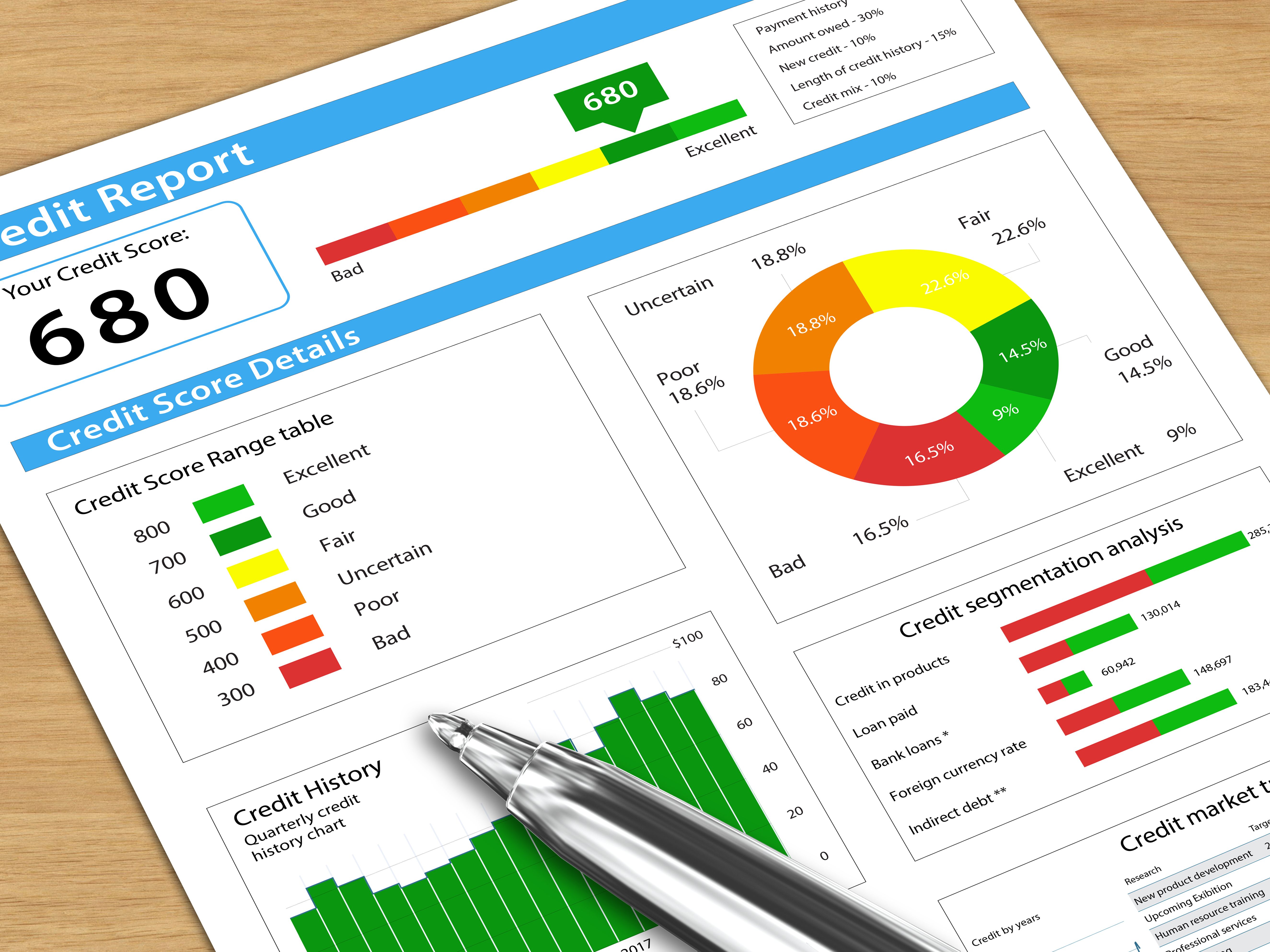
Your credit score is a pivotal aspect of your financial profile, and trade lines play an integral role in determining it. Credit bureaus analyze your trade lines to assess your creditworthiness. A well-managed trade line can positively impact your credit score, while a poorly managed one can do the opposite.
Trade lines help lenders evaluate your risk level as a borrower. A robust history of timely payments and responsible credit management can enhance your credibility in the eyes of potential lenders.
Types of Trade Lines
There are several types of trade lines, each affecting your credit score differently:
- Installment Loans: These include mortgages, car loans, and student loans. They involve regular payments over a set period until the loan is paid off.
- Revolving Accounts: Credit cards and lines of credit fall under this category. These accounts allow you to borrow up to a certain limit and make payments that vary based on the amount borrowed.
- Open Accounts: These are less common and include accounts like utility bills that are paid in full each month.
How Trade Lines Impact Your Credit Score
Your credit score is influenced by several factors related to trade lines:
- Payment History: Timely payments can boost your score, while late payments can significantly lower it.
- Credit Utilization: This refers to the percentage of available credit you're using. Lower utilization rates are generally better for your score.
- Length of Credit History: Longer histories with positive records tend to improve your score.
Building Positive Trade Lines
To build positive trade lines, consider the following strategies:
Pay on Time: Consistently making payments on or before the due date is crucial for maintaining a good credit score. Set up reminders or automatic payments to ensure you never miss a deadline.
Keep Balances Low: High balances compared to your credit limit can negatively impact your score. Aim to keep your credit utilization below 30%.

Adding New Trade Lines
If you're looking to enhance your credit profile, consider adding new trade lines. Applying for a new credit card or loan and managing it responsibly can diversify your credit mix and potentially improve your score.
However, it's important to be cautious when opening new accounts. Each application results in a hard inquiry, which can temporarily lower your score. Make sure you only apply for credit you truly need and can manage effectively.
Monitoring Your Trade Lines
Regularly monitoring your trade lines is essential for maintaining a healthy credit profile. Review your credit report at least once a year to ensure accuracy and catch any discrepancies or signs of fraud early.
You can request a free copy of your credit report from major credit bureaus annually. Keeping an eye on your trade lines will help you stay informed about your financial health and take corrective actions if necessary.
The Long-term Benefits of Strong Trade Lines
Building strong trade lines is not just about improving your credit score; it also offers long-term financial benefits. With good credit, you can qualify for lower interest rates, better loan terms, and even favorable insurance premiums.
A positive credit profile can also open doors to more significant opportunities, such as securing a mortgage or starting a business. By understanding and managing your trade lines effectively, you're investing in a financially secure future.